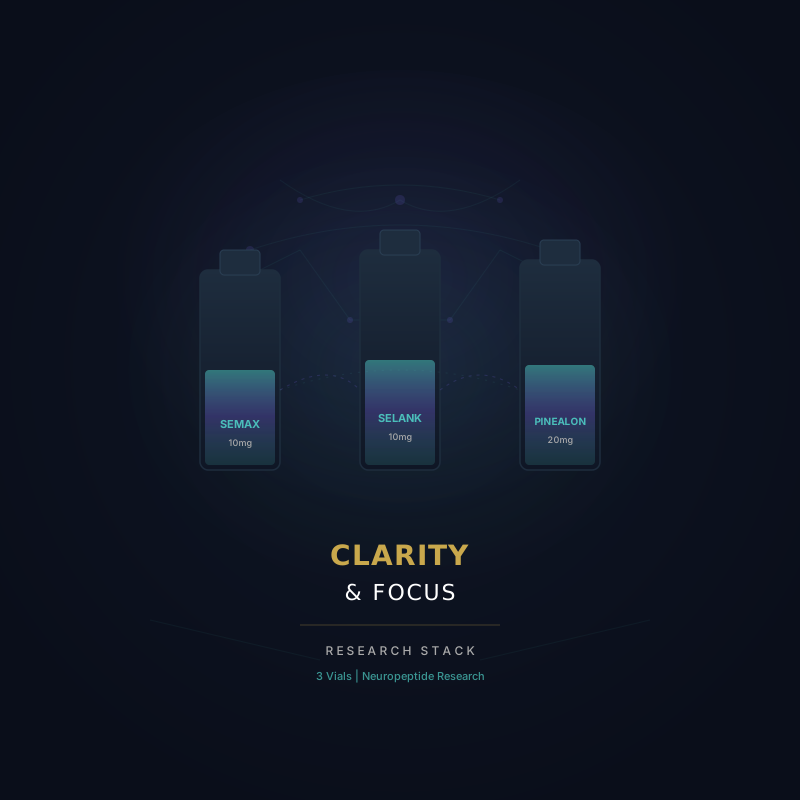
A research peptide stack is a curated set of compounds dosed together over a defined research window, usually 8 to 12 weeks. The logic behind a well-designed stack is that combining peptides with complementary mechanisms can produce a different research-model profile than any single compound alone.
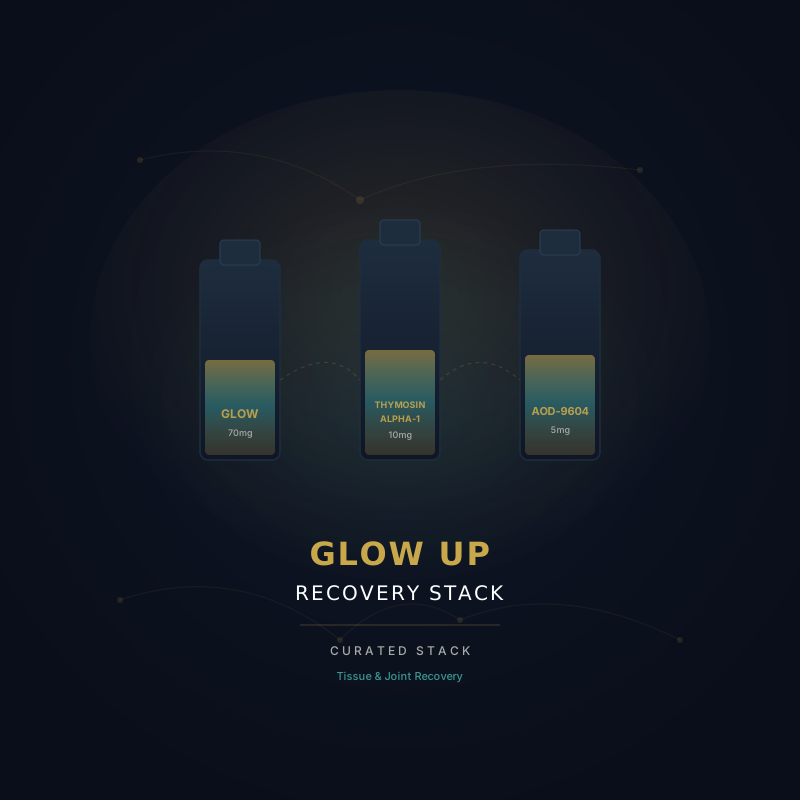
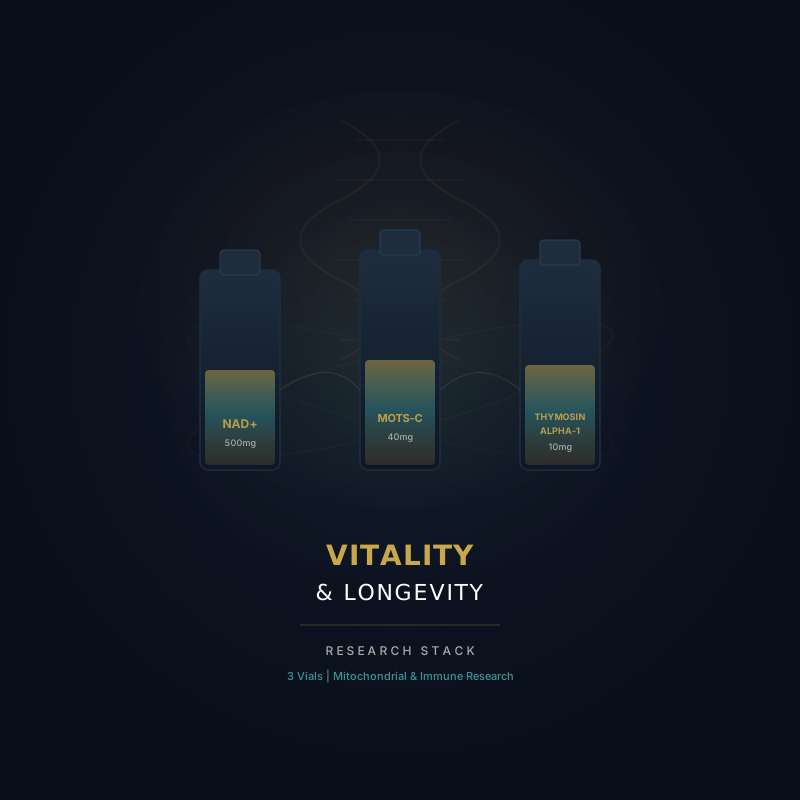
The Lido BioScience catalog includes five 12-week stack frameworks. This guide walks through the design principles behind them and the common mistakes to avoid.
Principle one: mechanism diversity
A stack should combine peptides that act on different mechanisms, not different molecules in the same pathway. Stacking two GLP-1 receptor agonists, for example, adds dose but does not add mechanistic information. The molecules compete for the same receptor.
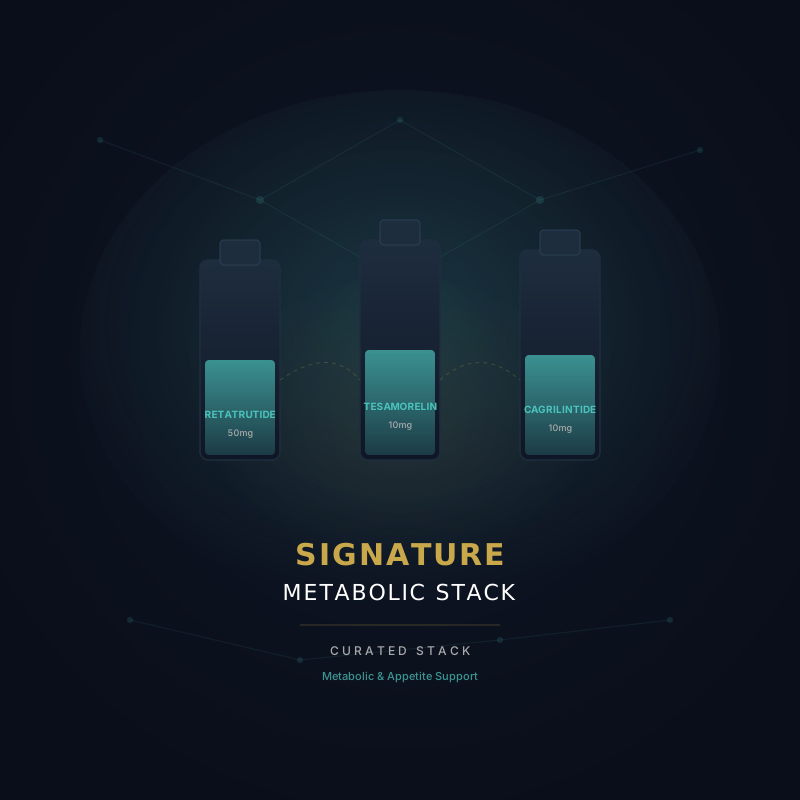
Stacking a GLP-1 agonist with an amylin analog and a GHRH analog, by contrast, combines three different receptor systems. The Signature Metabolic stack in the Lido catalog uses this design: retatrutide for the incretin axis, cagrilintide for the amylin axis, and tesamorelin for the GHRH axis.
Principle two: pathway-overlap avoidance
Some combinations are not strictly redundant but produce overlapping downstream effects that are difficult to disentangle. A stack that includes both a GHRH analog and a growth-hormone secretagogue activates the same downstream IGF-1 pathway from two upstream points. The combined signal is larger, but the research signal of either component alone is harder to read.
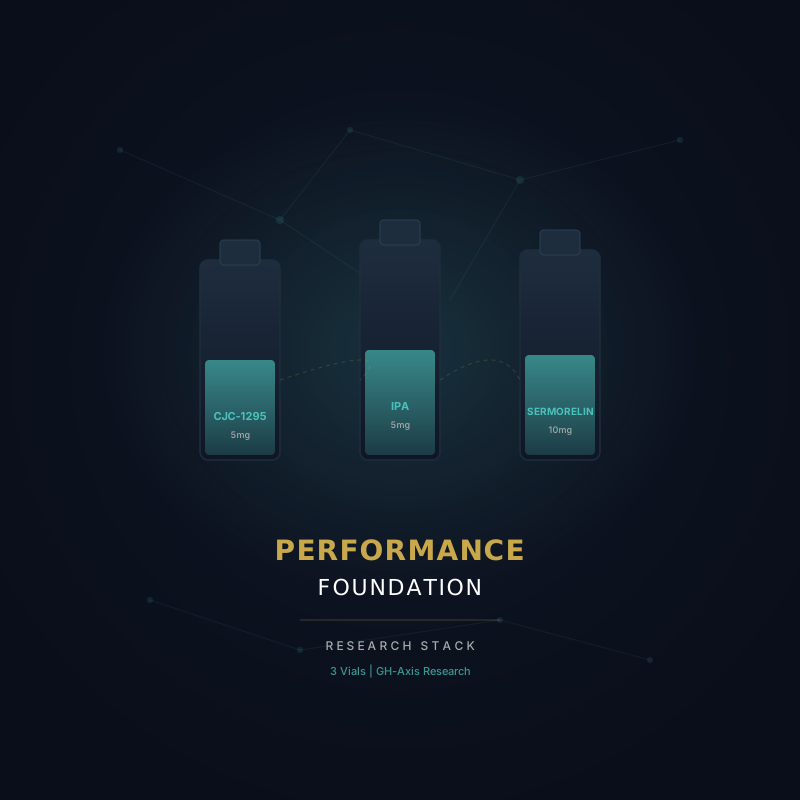
A well-designed stack acknowledges this. The Performance Foundation stack combines CJC-1295 with ipamorelin specifically because they amplify the GH pulse from different receptors, which produces a larger but cleaner signal than either alone. The stack is not for separating their effects, but for amplifying a shared one.
Principle three: dose proportionality
Stack design should set component doses based on the receptor selectivity and the mechanism, not on equal-milligram simplicity. A 10mg vial of one peptide may produce a much larger receptor effect than a 10mg vial of another, depending on potency and half-life.
The Lido stacks list vial counts for the full 12-week protocol on each detail page, with proportionality reflecting each component's pharmacology rather than equal volumes across the board.
Principle four: timing
Some peptides are dosed continuously through the research window, others in cycles. A stack design should specify which is which. Recovery-oriented peptides like BPC-157 and TB-500 are often dosed continuously through an acute injury window and then tapered. GH-axis peptides are sometimes cycled to avoid receptor desensitization.
The protocol page for each Lido stack covers the recommended timing for each component.
When to skip the stack
A stack is not always the right call. If you are interested in a single mechanism, stacking obscures the signal you are trying to read. Individual compounds are listed in the catalog for exactly this reason.
The Lido catalog includes both stack frameworks and standalone vials of each component. The assessment quiz on lidobs.com can help map research goals to either a stack or a single compound.