Peptides are short chains of amino acids, the same building blocks that make up proteins. The line between a peptide and a protein is roughly drawn at around 50 amino acids: shorter than that, peptide; longer than that, protein. Insulin, for example, is about 51 amino acids and sits right at the edge.
The reason peptides have become an active area of research is that small chains can sometimes do specific jobs that large proteins cannot. Researchers can target a single receptor, mimic one signaling pathway, or recover a fragment of a larger molecule, all without building the full protein from scratch.
How researchers categorize peptides
There is no single accepted taxonomy, but you will most often see peptides grouped by what receptor family or pathway they act on.
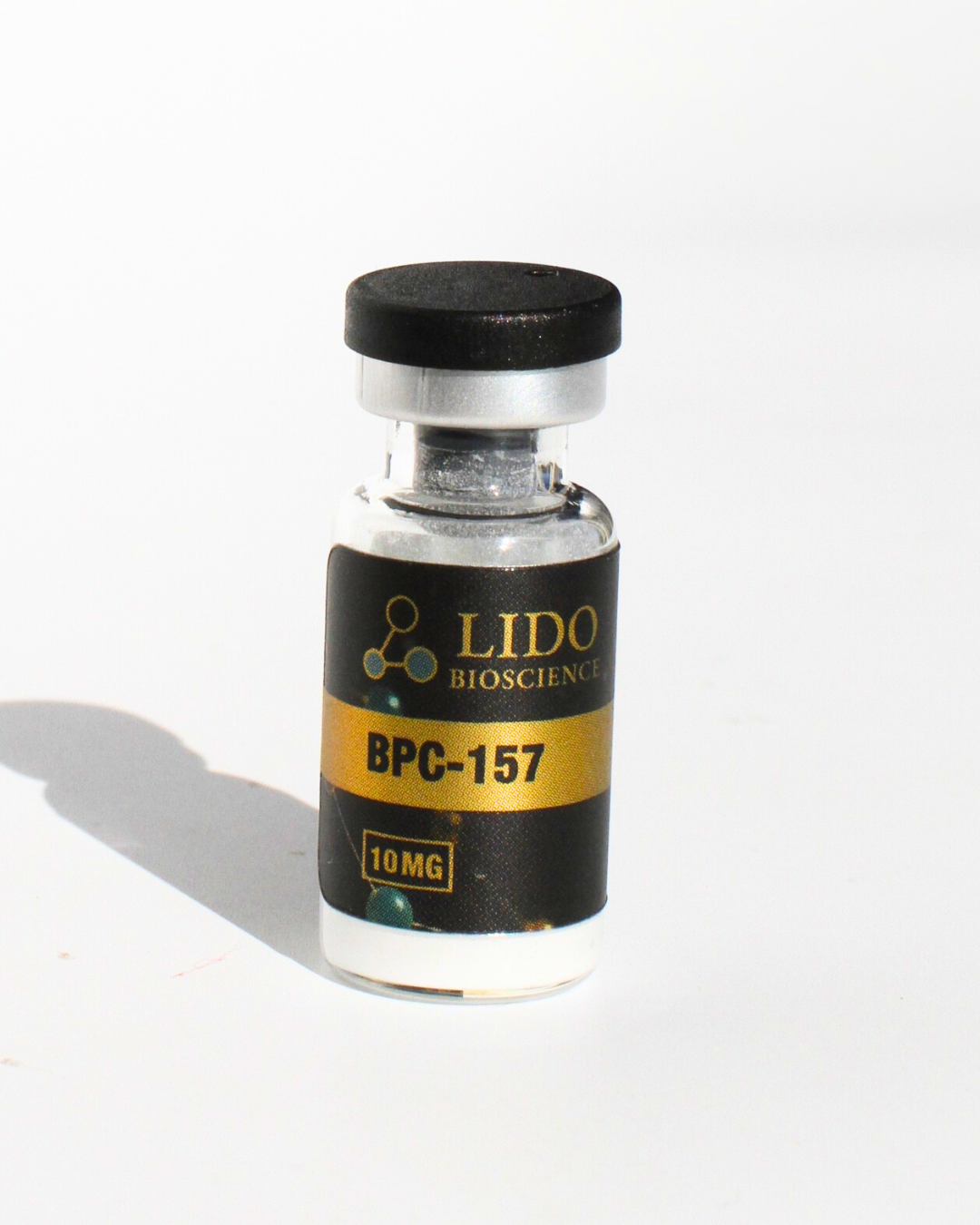
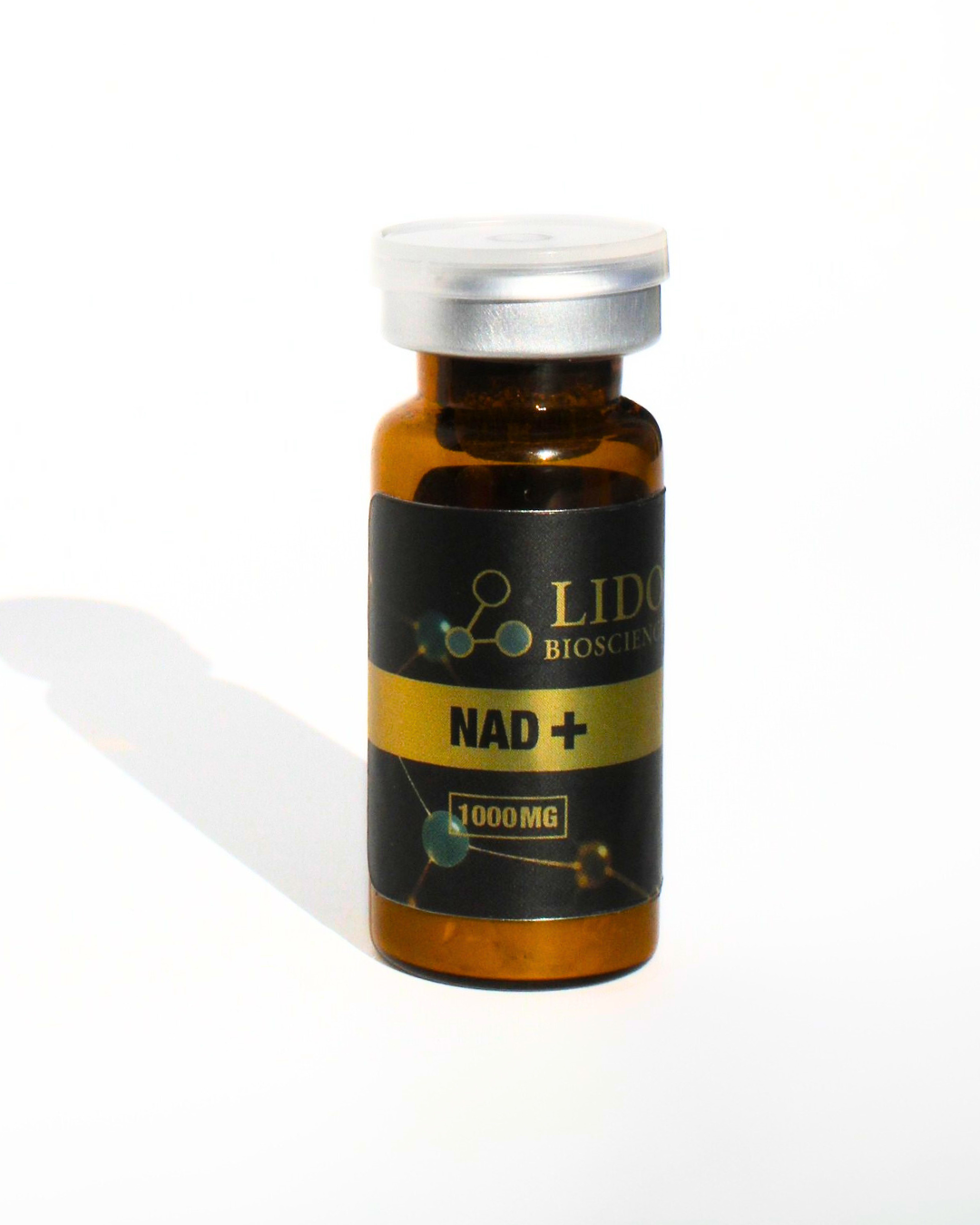
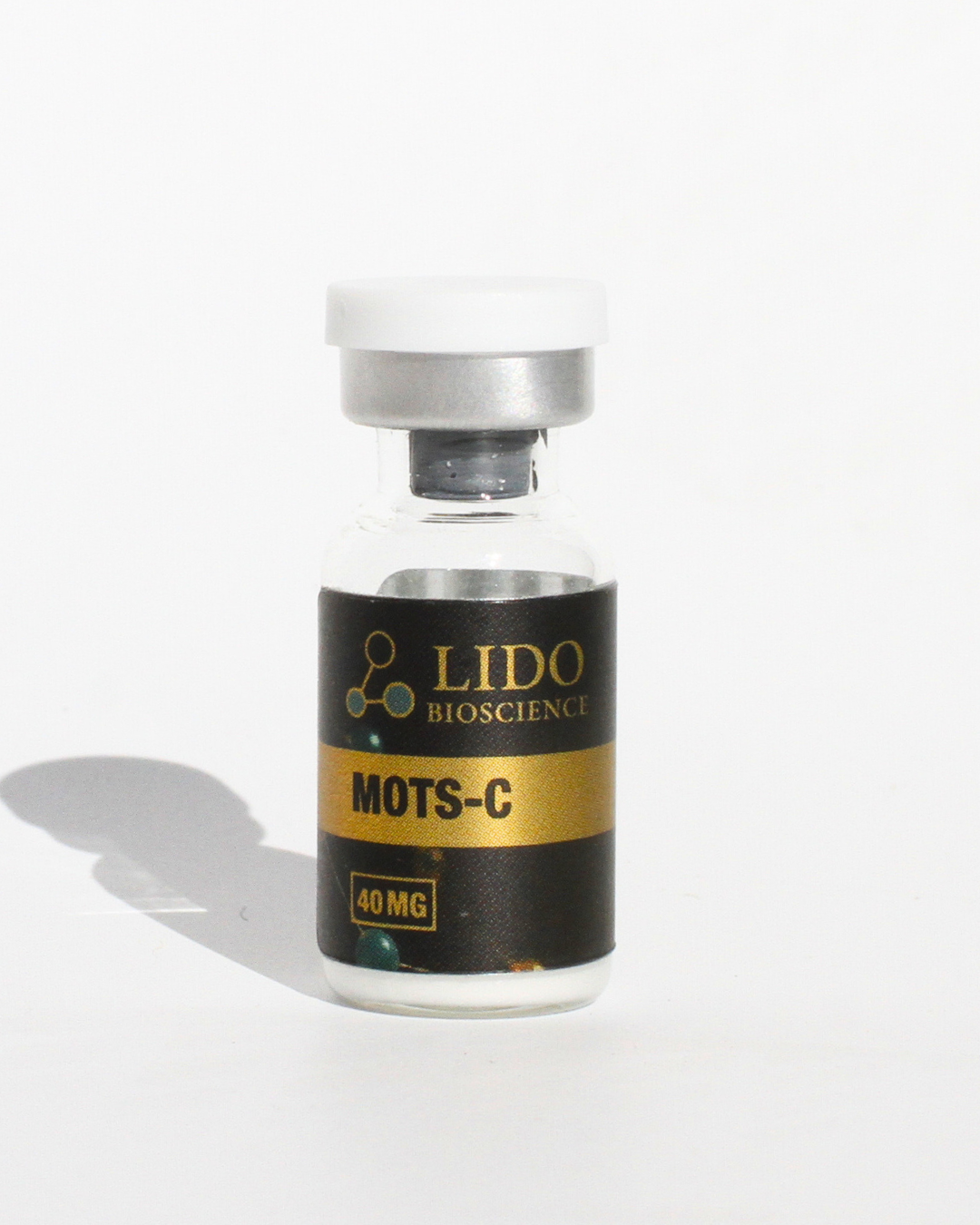
Metabolic peptides include GLP-1, GIP, and glucagon receptor agonists. Growth-hormone peptides include the secretagogues that prompt the pituitary to release more growth hormone, plus IGF-1 analogs that mimic the downstream signal. Recovery and repair peptides include BPC-157 and the thymosin family, both studied for connective tissue and gut repair in animal models. Longevity and metabolic-cofactor peptides include NAD+ precursors and mitochondrial peptides like MOTS-c. Cognitive peptides include nootropic-class molecules like Semax, Selank, and Pinealon.
These groupings are useful shorthand, not strict rules. Many peptides hit more than one pathway, and the cleanest way to compare two of them is at the mechanism level, not the category level.
Why purity is the number researchers care about
A peptide is only useful in research if the bottle contains what the label says it contains, at the concentration the label says, with no contaminants that would confound the result.
Purity is measured most commonly by reverse-phase high-performance liquid chromatography, abbreviated HPLC. The instrument separates a sample into its component parts and reports each one as a percent of the total. A 99% purity label means 99% of the material in the vial matches the target peptide, and 1% is everything else: truncated sequences, salts, residual solvents, or other reaction byproducts.
A few things are worth knowing about that number. First, the assay matters: HPLC purity is the standard, but mass-spec confirmation tells you whether the molecule is the right one in the first place. Both are needed for a complete picture. Second, identity and purity are different questions. A 99% pure compound that turns out to be the wrong peptide is still 0% useful. Reputable suppliers run both tests on every batch and publish both results on the Certificate of Analysis.
Lido BioScience tests every batch and labels purity at 99% exactly across the library. We do not use language like "minimum 98%" or "greater than or equal to 99%" because those phrases hide variance. The label and the COA show the same number.
Reading a Certificate of Analysis
A Certificate of Analysis, or COA, is the lab report that backs up the label. A complete COA for a research peptide includes:
Identity: a mass spectrometry trace showing the molecule mass matches the target sequence. The peak should land within a tight tolerance of the calculated mass.
Purity: the HPLC chromatogram with the main peak labeled, and a numeric purity percent. Smaller peaks should be flagged as related impurities.
Appearance: usually "white lyophilized powder" or similar. Color or texture deviations are flags.
Contaminants: residual solvent, water content, and ideally endotoxin or microbial testing on a separate page often called the contaminants testing report.
If a supplier cannot produce a COA for a specific lot, that is the answer to the question of whether to use it.
Lyophilized powder versus reconstituted solution
Most research peptides ship as a freeze-dried, or lyophilized, powder in a sealed vial. Stored cold and sealed, the powder is shelf-stable for one to two years for most sequences. Reconstitution with bacteriostatic water turns the powder into a solution, after which stability drops to weeks at refrigeration temperature for most peptides.
Some peptides are sensitive to repeated freeze-thaw cycles or to room-temperature exposure even in powder form. The COA or product page should call those out.
A note on legality, framing, and scope
The peptides in the Lido BioScience catalog are sold and described as research compounds. They are not approved drugs and are not labeled for use as medications. Anything you read in our /learn library is published as background reading on the research literature, not as medical guidance.
If you are looking for therapeutic guidance, talk to a physician. If you are pregnant, nursing, or have a history of cancer, that conversation is not optional. Several peptide classes have signals in the cancer literature that require a clinician to evaluate against your specific situation.