Mitochondrial research has accelerated over the past two decades as researchers have understood how central the organelle is to aging, metabolic disease, and cellular stress response. Two of the most-studied molecules in this space, NAD+ and MOTS-c, sit at different levels of the same system.
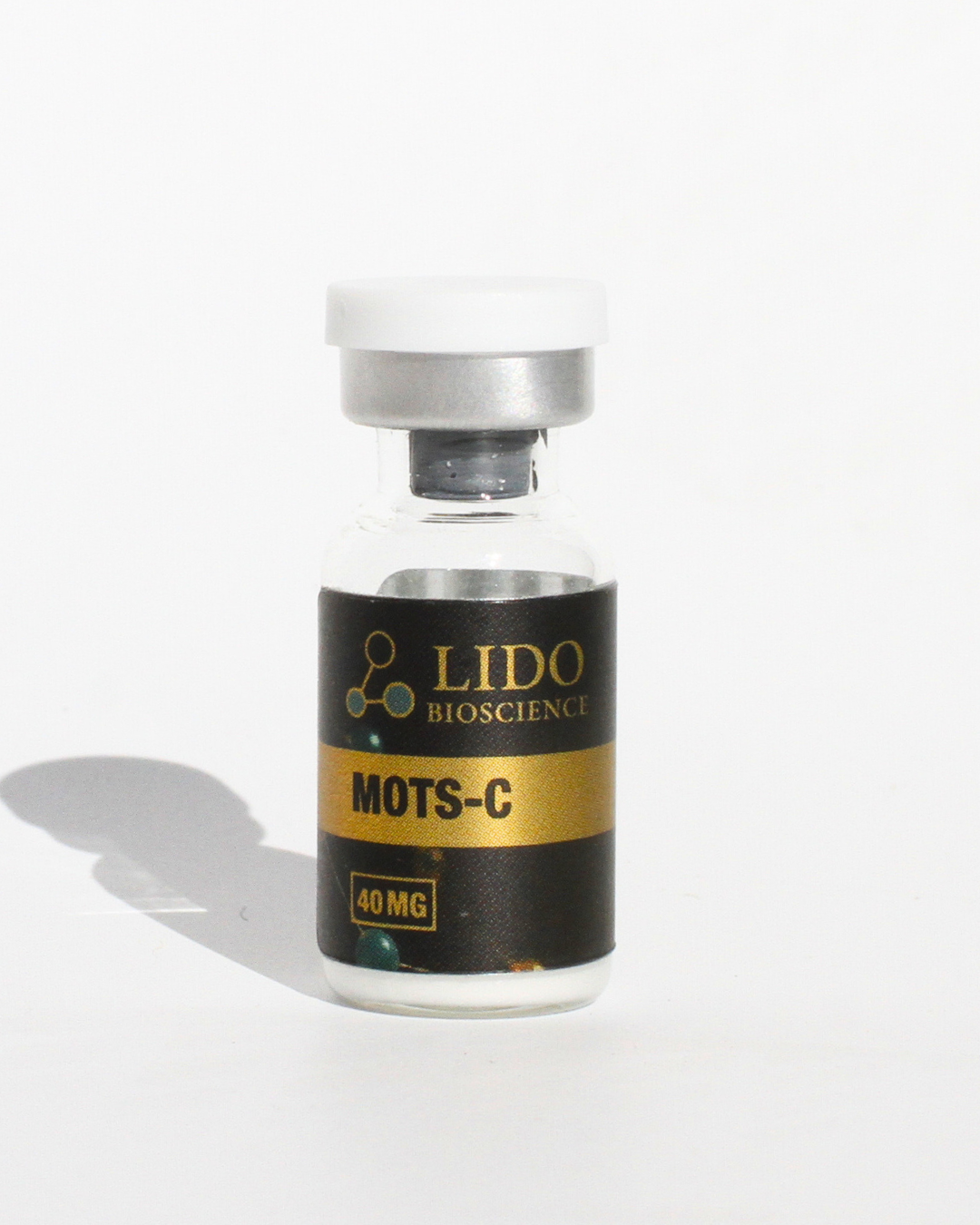
NAD+ is a small-molecule cofactor that nearly every cell uses in energy metabolism. MOTS-c is a 16-amino-acid peptide that is encoded inside the mitochondrial genome, not the nuclear genome, and acts as a signaling molecule across the body. This guide walks through both.
NAD+: the cofactor at the center of energy metabolism
Nicotinamide adenine dinucleotide, or NAD+, is a cofactor that shuttles electrons in nearly every redox reaction inside a cell. The two main jobs are powering the electron transport chain in mitochondria, which generates ATP, and serving as a substrate for a family of enzymes called sirtuins, which regulate gene expression and DNA repair.
NAD+ levels decline with age in human tissue. Whether this decline causes age-related dysfunction or simply correlates with it is one of the active debates in the field. Either way, NAD+ has become a focal point of longevity research because the supply of the cofactor sets the upper bound on how much sirtuin activity and mitochondrial respiration a cell can do.
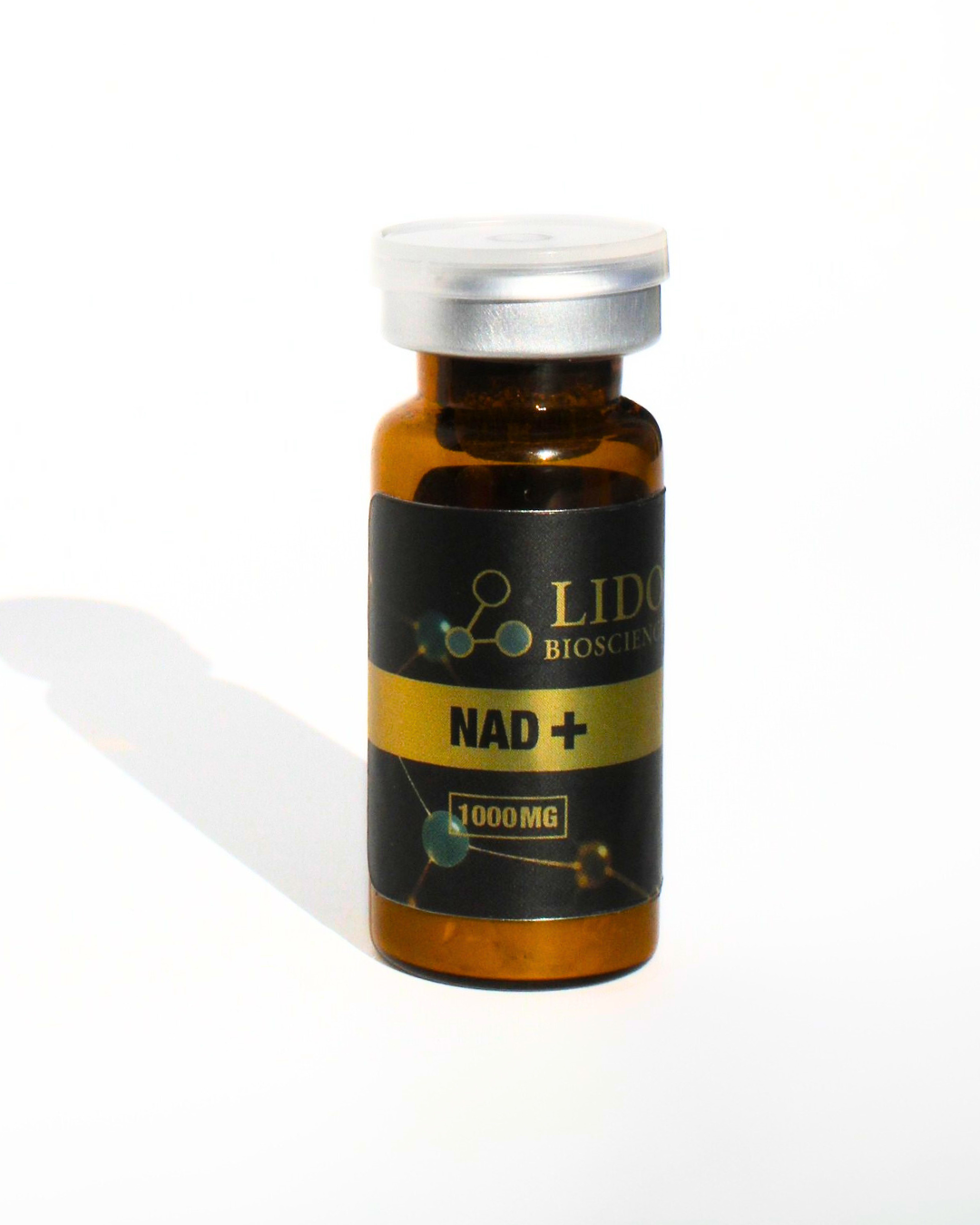
NAD+ itself is poorly absorbed orally, which is why most research uses injectable forms or precursor molecules like NMN and NR that the cell converts to NAD+ internally. Lido BioScience supplies NAD+ as a 1000mg vial of the freeze-dried cofactor.
MOTS-c: a peptide encoded by the mitochondrial genome
MOTS-c stands for mitochondrial open reading frame of the 12S rRNA-c. The peptide was identified in 2015 and is one of a small group of peptides encoded inside the mitochondrial genome itself rather than the nuclear DNA. Mitochondrial-encoded peptides are unusual because the mitochondrial genome carries only 13 protein-coding genes, all of which were historically thought to be electron-transport-chain components.
MOTS-c is exported from mitochondria into the bloodstream and circulates systemically. In animal models, the peptide shows signals in insulin sensitivity, glucose metabolism, exercise capacity, and metabolic flexibility. The mechanism appears to involve activation of AMPK, the cellular energy sensor that triggers fatty-acid oxidation and inhibits anabolic pathways when energy is low.
The peptide is also unusual in that its expression appears to increase under metabolic stress, which has led researchers to describe it as an exercise-mimetic in some contexts.
How NAD+ and MOTS-c relate
NAD+ and MOTS-c operate at different levels of the same system. NAD+ is a cofactor that the cell consumes and regenerates constantly during respiration. MOTS-c is a regulatory peptide that signals across cells and tissues. The two are connected through the mitochondrion: NAD+ powers the electron transport chain, and MOTS-c is encoded by the mitochondrial genome whose function depends on that same chain.
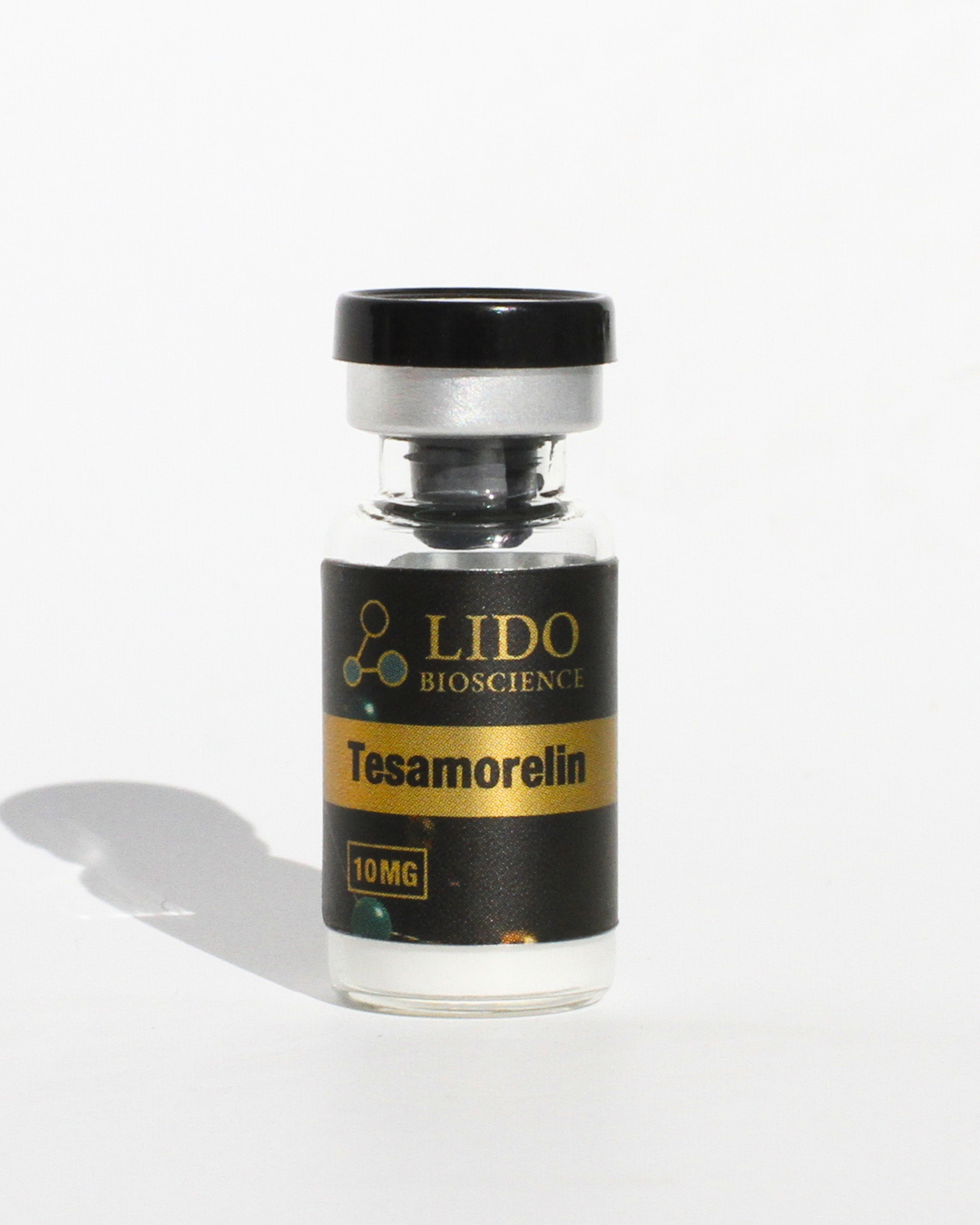
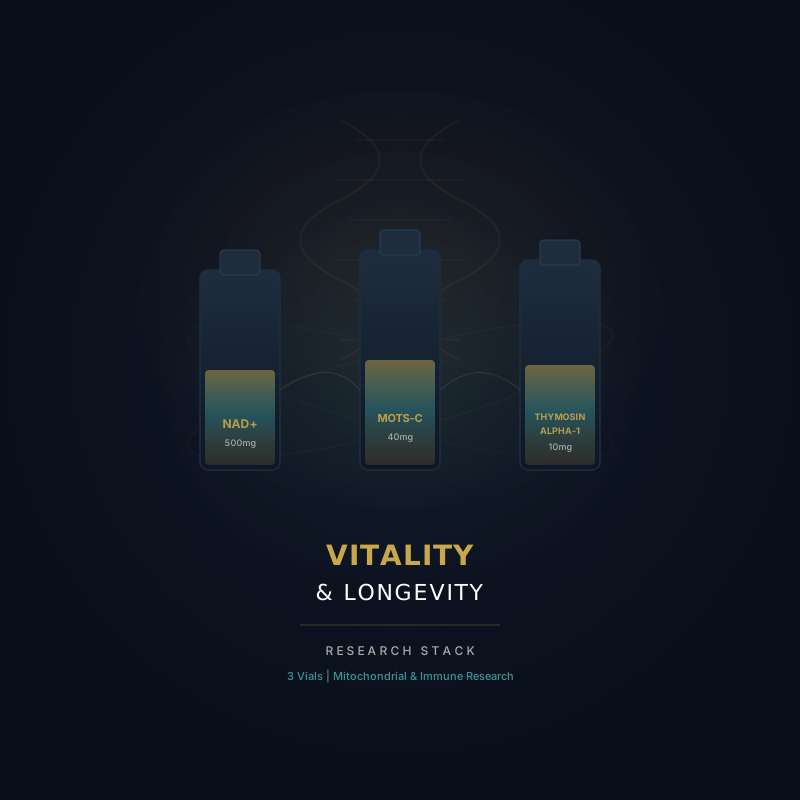
In research protocols that look at mitochondrial function as a whole, both molecules tend to be relevant. The Vitality and Longevity stack in the Lido BioScience catalog combines NAD+, MOTS-c, and tesamorelin as a 12-week research framework that touches mitochondrial cofactor supply, mitochondrial signaling, and the GH-IGF-1 axis.
A note on framing
NAD+ and MOTS-c are sold by Lido BioScience as research peptides, not as approved therapies. The longevity literature is genuinely active and growing, but it is mostly animal-model and early-stage human work, and any extrapolation to human aging requires careful framing.
Pregnancy, nursing, and active cancer are contraindications across this family of compounds. Talk to a physician before any human use.