Athletes and active people are turning to injectable peptides at a growing rate, drawn by claims around faster recovery, tissue repair, and performance. But a structured narrative review published in JBJS Reviews found something striking: clinical adoption has moved well ahead of high-quality evidence. In plain terms, many practitioners and athletes are using these compounds before researchers have confirmed they work, or that they are safe.
The review, led by Villegas Meza and colleagues, searched three major scientific databases for human trials and translational studies published between January 2020 and August 2025. Researchers focused specifically on injectable peptides relevant to orthopaedics and sports medicine, filtering out non-injectable forms and studies unrelated to the musculoskeletal system. What emerged was a detailed map of five peptide classes, ranging from well-studied to almost entirely experimental.
Understanding where each class sits on that map matters, both for researchers designing future studies and for anyone trying to make sense of what the current science actually supports.
The five peptide classes under review
The review organized the peptide landscape into five functional groups. First, glucagon-like peptide-1 receptor agonists, a class that includes semaglutide. Second, collagen-derived injectable preparations used around surgical recovery. Third, regenerative peptides, which include body protection compound-157 and thymosin derivatives. Fourth, growth hormone axis secretagogues such as CJC-1295, ipamorelin, and tesamorelin. Fifth, other miscellaneous injectable agents that did not fit neatly into the first four groups.
Each class has a different evidentiary profile, a different safety picture, and a different regulatory status. The review treated these distinctions seriously rather than treating all peptides as a single category.
GLP-1 receptor agonists and knee osteoarthritis
Among the five classes, glucagon-like peptide-1 receptor agonists emerged as the only group backed by reproducible randomized controlled trial evidence for musculoskeletal benefit. Specifically, a body of trials found that semaglutide produced symptomatic improvement in people with knee osteoarthritis.
The review was careful about the mechanism, though. Researchers noted that the primary driver of symptom improvement appeared to be clinically meaningful weight loss rather than a direct effect on the joint itself. The review also raised the possibility of anti-inflammatory activity contributing to the benefit, but characterized that as a putative mechanism rather than an established one.
Critically, the review found no proven structural modification of cartilage. In other words, patients in trials reported feeling better, but imaging and structural measures did not consistently show that the joint tissue itself changed. That distinction between symptomatic relief and structural repair is an important one for researchers and clinicians to hold onto.
Collagen-derived preparations and surgical recovery
The second class, collagen-derived injectable preparations, showed some early encouraging signals, but the evidence base is thin. The review found preliminary postoperative benefits in small, single-center prospective human studies. Patients in those studies appeared to recover some symptoms faster in the early period after surgery.
The word preliminary is doing significant work here. Single-center studies with small samples are prone to bias and cannot be generalized the way a large multicenter randomized trial can. The review appraised the risk of bias in available human trials using standard tools and found the collagen-derived evidence to be limited in scope and rigor. More and larger trials are needed before conclusions can be drawn.
Regenerative peptides: BPC-157 and thymosin derivatives
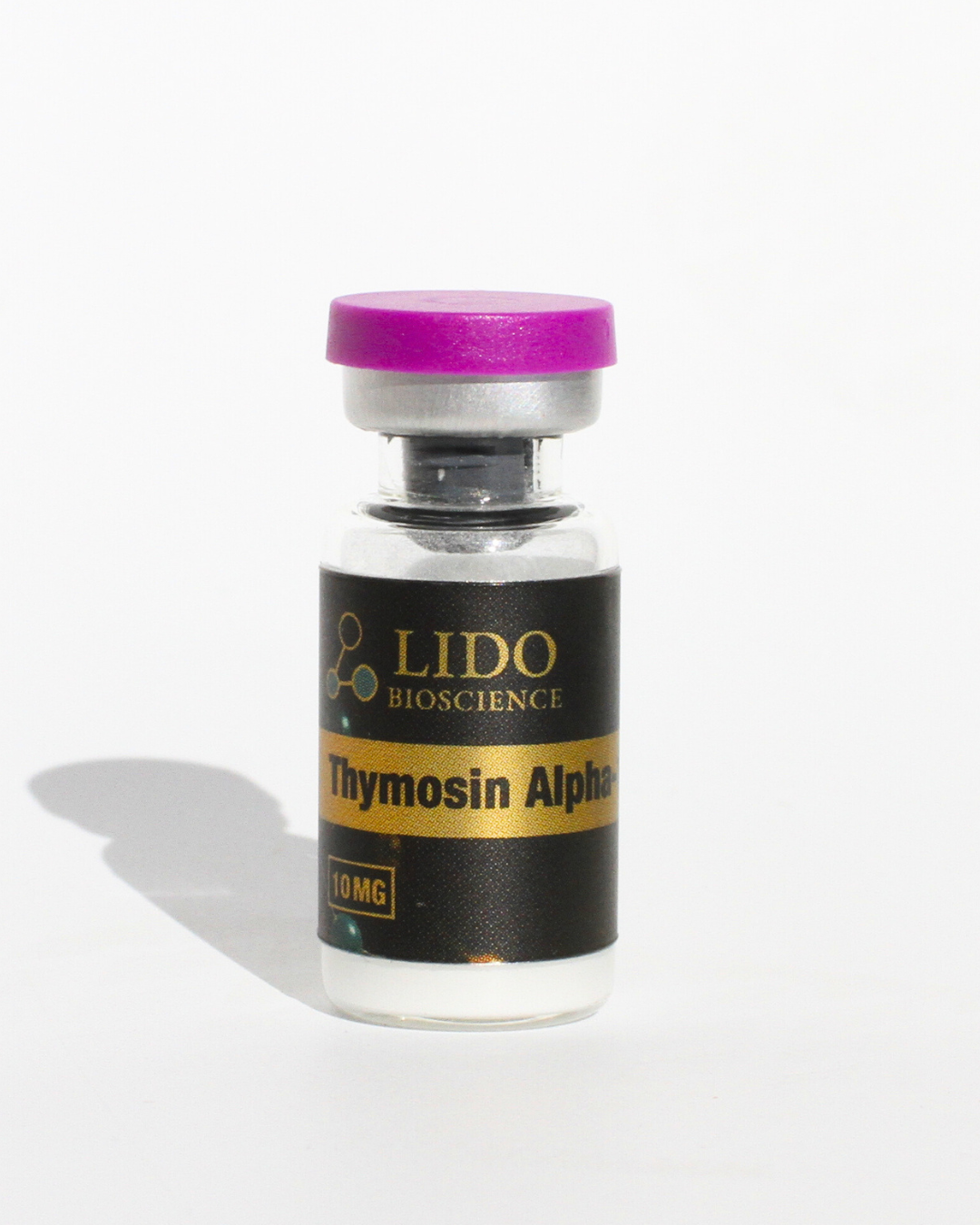
Body protection compound-157 and thymosin-related peptides are among the most widely discussed compounds in fitness and recovery communities. The review's assessment of the evidence, however, is sobering. These regenerative peptides remain investigational. The review did not find reproducible human trial data supporting their use for musculoskeletal recovery in the time period studied.
The literature suggests that much of what is known about these peptides comes from animal and cell-based studies rather than controlled human trials. Early translational data can be interesting and hypothesis-generating, but it does not confirm that effects observed in rodents or tissue cultures will translate to the same outcomes in humans.
The review also flagged two additional concerns specific to this class: uncertain safety profiles and product quality concerns. Because these compounds are not approved pharmaceuticals in most jurisdictions, the raw materials used to manufacture them are not subject to the same quality controls as regulated drugs. Researchers and consumers alike cannot always know what they are actually getting.
Growth hormone secretagogues and antidoping
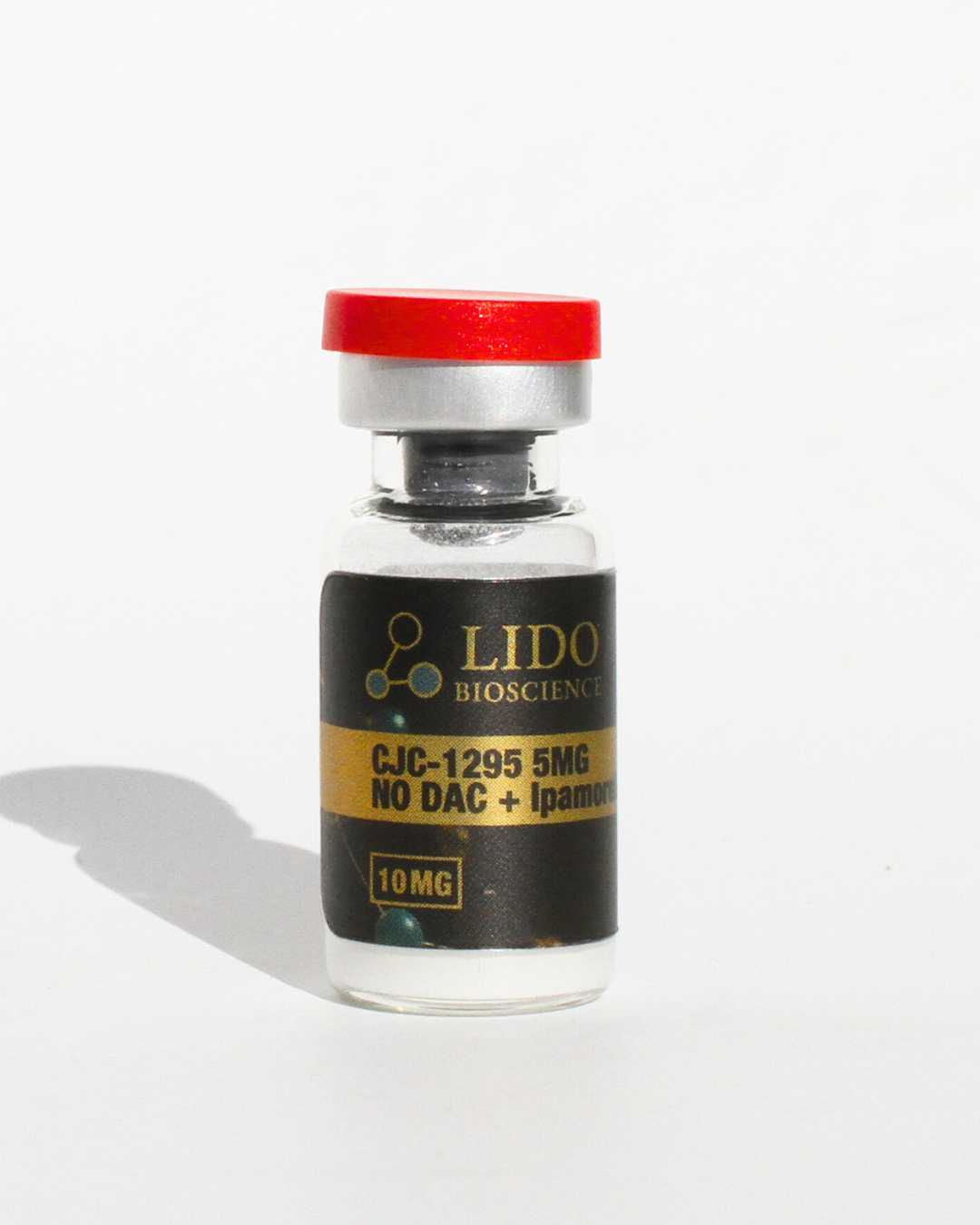
The growth hormone axis secretagogue class, which includes CJC-1295, ipamorelin, and tesamorelin, drew particular attention in the review for antidoping reasons. Like the regenerative peptides, these compounds are classified as investigational. The human evidence base for musculoskeletal applications is limited, and safety profiles remain uncertain.
What distinguishes this class in the review's analysis is the antidoping dimension. The review described widespread antidoping restrictions covering these compounds, meaning athletes subject to testing face significant regulatory risk if they use them, regardless of any perceived or hoped-for benefit. The review explicitly called on clinicians working with athletes to counsel patients about this risk.
This is a meaningful finding for the sports medicine field. A compound does not need to be proven effective to be prohibited. Antidoping rules exist independently of evidence, and the presence of a prohibited substance in an athlete's sample can result in sanctions even if the athlete believed the compound was legal or beneficial.
Product quality as a cross-cutting concern
One theme that ran across multiple peptide classes in the review was product quality. When compounds are not manufactured under pharmaceutical-grade conditions, the actual content of a given product may differ from what the label claims. Researchers studying these compounds or organizations supplying them for research purposes often seek independent verification through methods such as third-party analytical testing.
The review did not endorse any particular quality standard, but its concern about product quality reflects a broader issue in the peptide research space. Variability in raw material purity makes it harder to interpret experimental results and harder to identify safety signals. If a study uses a compound of uncertain purity, the findings may not reflect what would happen with a purer preparation, and vice versa.
For researchers, this underscores the importance of sourcing materials with documented purity and requesting certificates of analysis before use.
Where the review lands overall
The review's conclusion is measured but direct. Injectable peptides in sports medicine remain largely experimental. The authors recommended that clinical use be confined to approved metabolic agents used for their approved indications, and to rigorously designed research protocols that can actually generate the evidence the field currently lacks.
That framing is important. The review is not anti-peptide. It is pro-evidence. The authors recognized that some of these compounds have biological plausibility and that the translational science is interesting in several cases. But interesting animal data and biological plausibility are not the same as demonstrated benefit in humans.
For researchers designing future studies, the review essentially identifies where the gaps are largest: randomized controlled trials for regenerative peptides, larger multicenter studies for collagen-derived preparations, and clearer mechanistic work to separate the direct joint effects of GLP-1 agonists from the effects of weight loss. Each of those gaps represents a research opportunity rather than a reason to abandon inquiry.