The incretin agonist class has gone through three generations in the past two decades. First-generation single GLP-1 agonists demonstrated the receptor was a real target. Second-generation dual GLP-1 + GIP agonists added a second incretin receptor for a synergistic effect on body weight. Third-generation triple agonists added the glucagon receptor for an energy-expenditure signal that single and dual mechanisms cannot produce.
This article walks through the three generations side by side, explains what each receptor does, and frames why the field keeps adding receptors.
First generation: single GLP-1 receptor agonists
The GLP-1 receptor lives on pancreatic beta cells (where its activation amplifies insulin release in response to food) and on hypothalamic neurons (where its activation reduces appetite and signals satiety). The receptor also slows gastric emptying, which extends the satiety signal post-meal.
Native GLP-1 has a half-life of about two minutes because it is rapidly degraded by DPP-4. First-generation GLP-1 receptor agonists modified the molecule to resist DPP-4 cleavage, extending half-life from minutes to hours, and in later-generation molecules, to days or weeks.
First-generation single agonists demonstrated consistent reductions in body weight (single digits as a percentage) and improvements in glycemic control across multiple clinical trials. They established the GLP-1 receptor as a real metabolic target.
Second generation: dual GLP-1 + GIP agonists
GIP is the second major incretin hormone after GLP-1. Like GLP-1, GIP amplifies insulin release after a meal. Unlike GLP-1, the effect of GIP on body weight has been ambiguous: in some studies GIP agonism increases food intake, in others it decreases it.
The hypothesis behind dual GLP-1 + GIP agonists was that activating both receptors at the right ratio produces a synergistic effect on body weight that single-receptor agonism cannot match. The hypothesis turned out to be correct in the data: dual agonists in published trials produced body-weight reductions of 12 to 15 percent or more at the higher tested doses, roughly double the single-agonist class.
Mechanistically, the second-generation class also showed cleaner effects on liver fat, lean-mass preservation, and metabolic rate compared to first-generation molecules. The exact ratio of GLP-1 to GIP receptor activation in each molecule turned out to matter, and dual agonists are not interchangeable: different molecules at different ratios produce different metabolic profiles.
Third generation: triple GLP-1 + GIP + glucagon agonists
Glucagon is the counterintuitive addition. Glucagon raises blood glucose by signaling the liver to release stored glucose, which sounds like the wrong direction for a metabolic therapy. But glucagon also increases basal metabolic rate, promotes lipolysis, and shifts the body toward burning fat rather than storing it.
A triple agonist that activates GLP-1, GIP, and glucagon receptors in the right ratio combines three effects: enhanced insulin response and reduced appetite from GLP-1 and GIP, plus increased energy expenditure from glucagon. The GLP-1 component offsets the glucagon-driven rise in blood glucose, which removes the safety concern that would otherwise apply to a glucagon agonist.
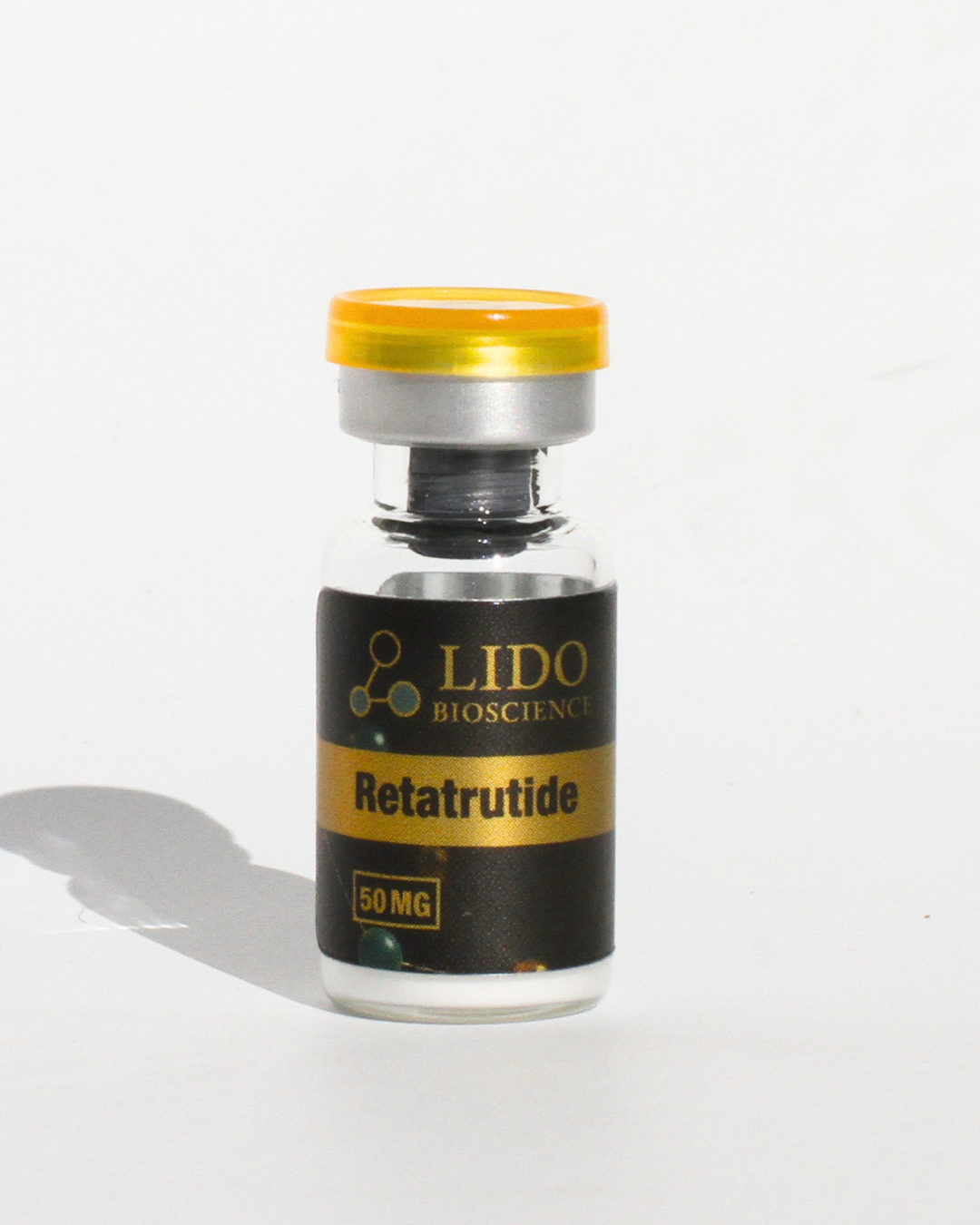
Retatrutide is the most-studied triple agonist. Published phase-2 data shows body-weight reductions of 17 to 24 percent over 48 weeks at the higher tested doses, with metabolic profile changes (liver fat, basal energy expenditure) that are distinct from the second-generation class.
Generation-by-generation comparison
First generation, single GLP-1: body weight reduction in the 5 to 8 percent range, clean glycemic control, simple mechanism.
Second generation, dual GLP-1 + GIP: 12 to 15 percent body weight reduction, similar glycemic control, mechanism more complex but well-characterized.
Third generation, triple GLP-1 + GIP + glucagon: 17 to 24 percent body weight reduction in published phase-2 data, additional effects on energy expenditure, mechanism still being characterized in long-term trials.
Open questions and the next frontier
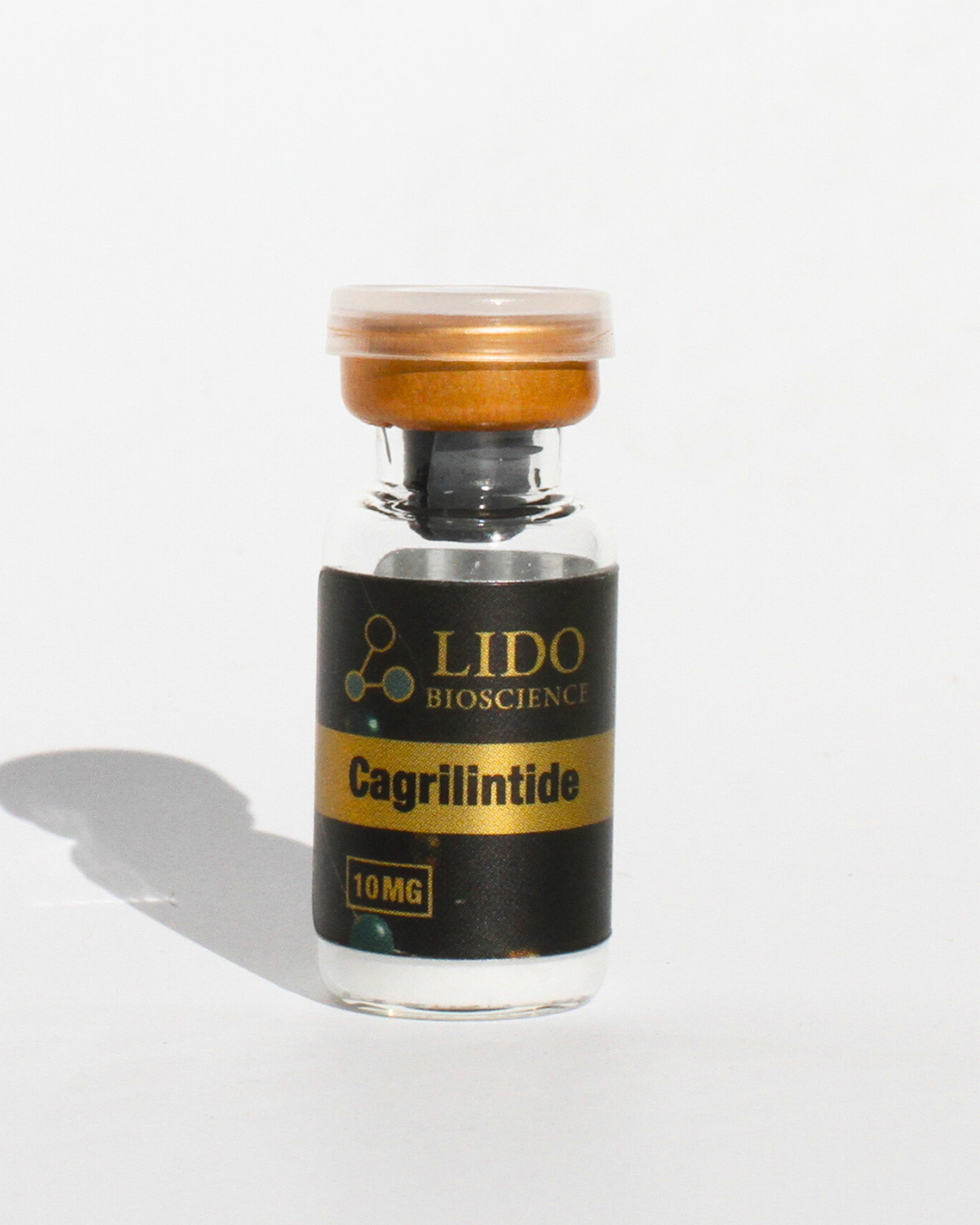
Active areas in current research include longer-acting versions of each generation, oral formulations of all three generations, fixed-ratio combinations of incretin agonists with amylin analogs like cagrilintide, and small molecules that hit the same receptors without the peptide structure.
The mechanistic story is also expanding beyond appetite and glucose. Each generation has shown signals in cardiovascular outcomes, kidney function, neuroinflammation, and addictive behaviors. Whether those signals translate to clinically meaningful endpoints is what the next wave of trials will answer.
What is in the Lido BioScience catalog
The Lido catalog includes retatrutide as the most-studied third-generation triple agonist, cagrilintide as a paired amylin analog that targets a separate satiety pathway, and tesamorelin (TH9507) for the growth-hormone axis. The Signature Metabolic stack combines all three in a 12-week research framework.
First and second-generation single and dual agonists are not in the catalog because the field has largely consolidated around third-generation molecules for new research. Older molecules remain widely available through clinical channels, but the research peptide space focuses on the newer mechanisms.
A note on framing
Compounds in this article are sold by Lido BioScience as research peptides, not as approved medications. Phase-3 trials are ongoing for the third-generation class and regulatory approval status determines whether any of these molecules is available as a therapy.
Pregnancy, a personal or family history of medullary thyroid carcinoma, and MEN-2 are contraindications across the GLP-1 agonist class. Any clinical use should be guided by a physician.