A Certificate of Analysis, or COA, is the document that turns a label claim into a verifiable claim. For a research peptide, the COA should report identity, purity, appearance, and contaminants. This guide walks through each section so you know what you are looking at when you open the PDF.
The header: lot, date, and target sequence
The top of a COA should identify the lot number, the manufacture or analysis date, and the target molecule. The lot number is what ties the document to a specific vial in your hands. If the lot number on the COA does not match the label on the vial, the document does not apply.
The target sequence section should specify the molecular weight, the amino-acid sequence, and any salt form (acetate, trifluoroacetate, hydrochloride, etc.). Salt form matters because different salts contribute different mass to the powder, which affects how the labeled milligram quantity compares to the actual peptide content. A 10mg vial of a peptide as the trifluoroacetate salt has slightly less of the active molecule than a 10mg vial of the same peptide as the acetate salt.
Identity: mass spectrometry
Identity is most often confirmed by mass spectrometry, abbreviated MS or LC-MS. The instrument measures the mass of the molecule and compares it to the calculated mass of the target sequence.
On the COA, the identity section will show a number and a tolerance. A typical line reads "observed mass: 1565.7 Da, expected mass: 1565.8 Da, within tolerance." Mass spec on a research peptide should land within a fraction of a Dalton of the expected mass.
Sometimes the COA includes a mass spectrum trace showing the peak. The trace is helpful because it shows whether there is a single clean peak at the target mass or a cluster of peaks suggesting impurities or related sequences.
Purity: HPLC chromatogram
Purity is reported as a percentage from reverse-phase high-performance liquid chromatography, abbreviated HPLC. The instrument separates the sample into its component parts based on how each one interacts with a column, and reports each peak as a percentage of the total signal.
On the COA, the purity section will report a number, like 99.2 percent, and usually include a chromatogram. The chromatogram is a graph with time on the x-axis and detector response on the y-axis. The target peptide should appear as one large, sharp peak. Smaller peaks before or after the main one are impurities, and they should be small.
A purity number without a chromatogram is harder to evaluate. If the COA reports 99 percent purity and the chromatogram shows the main peak plus a substantial second peak labeled "related impurity," the 99 percent is technically correct but the practical purity might be lower than you would expect.
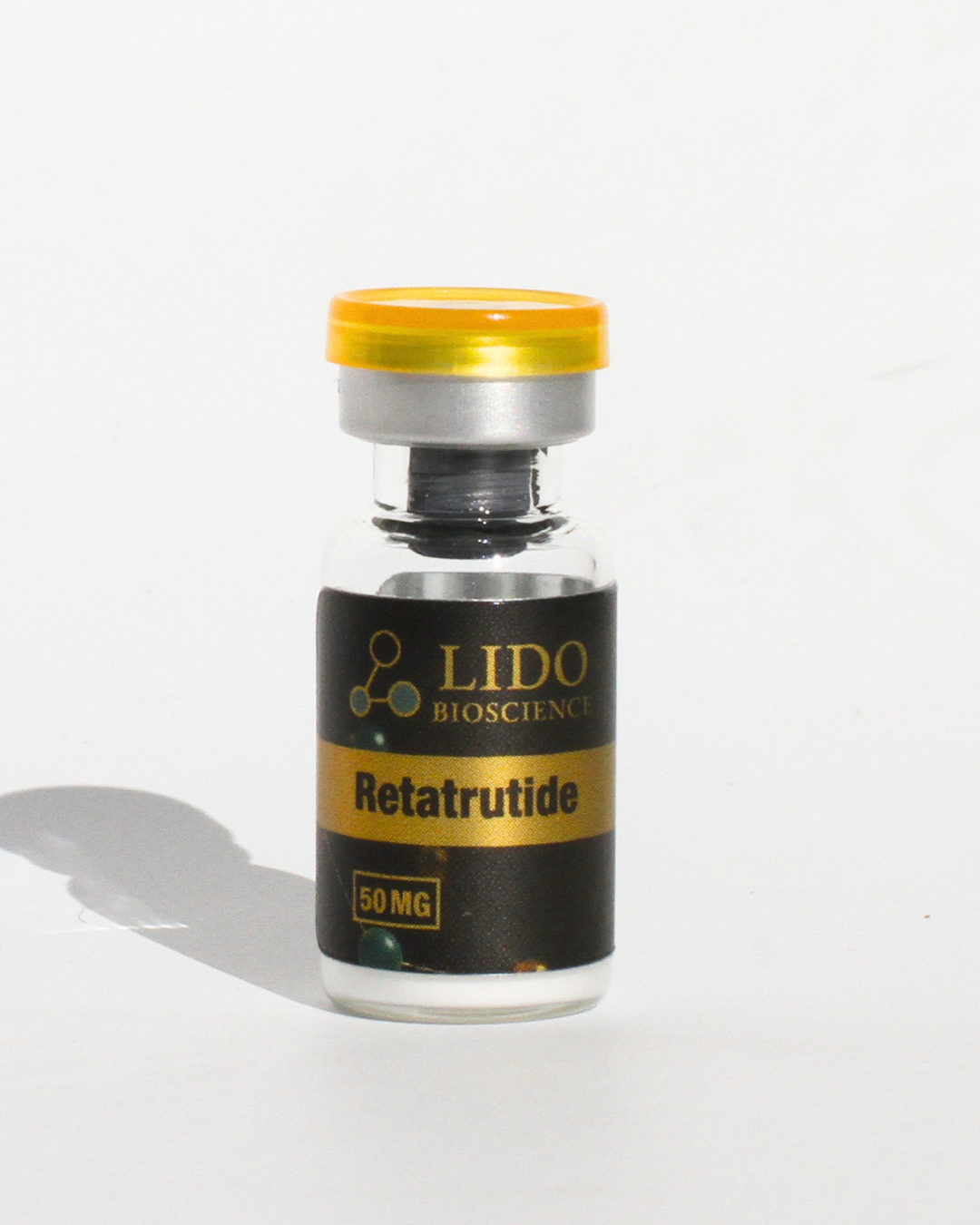
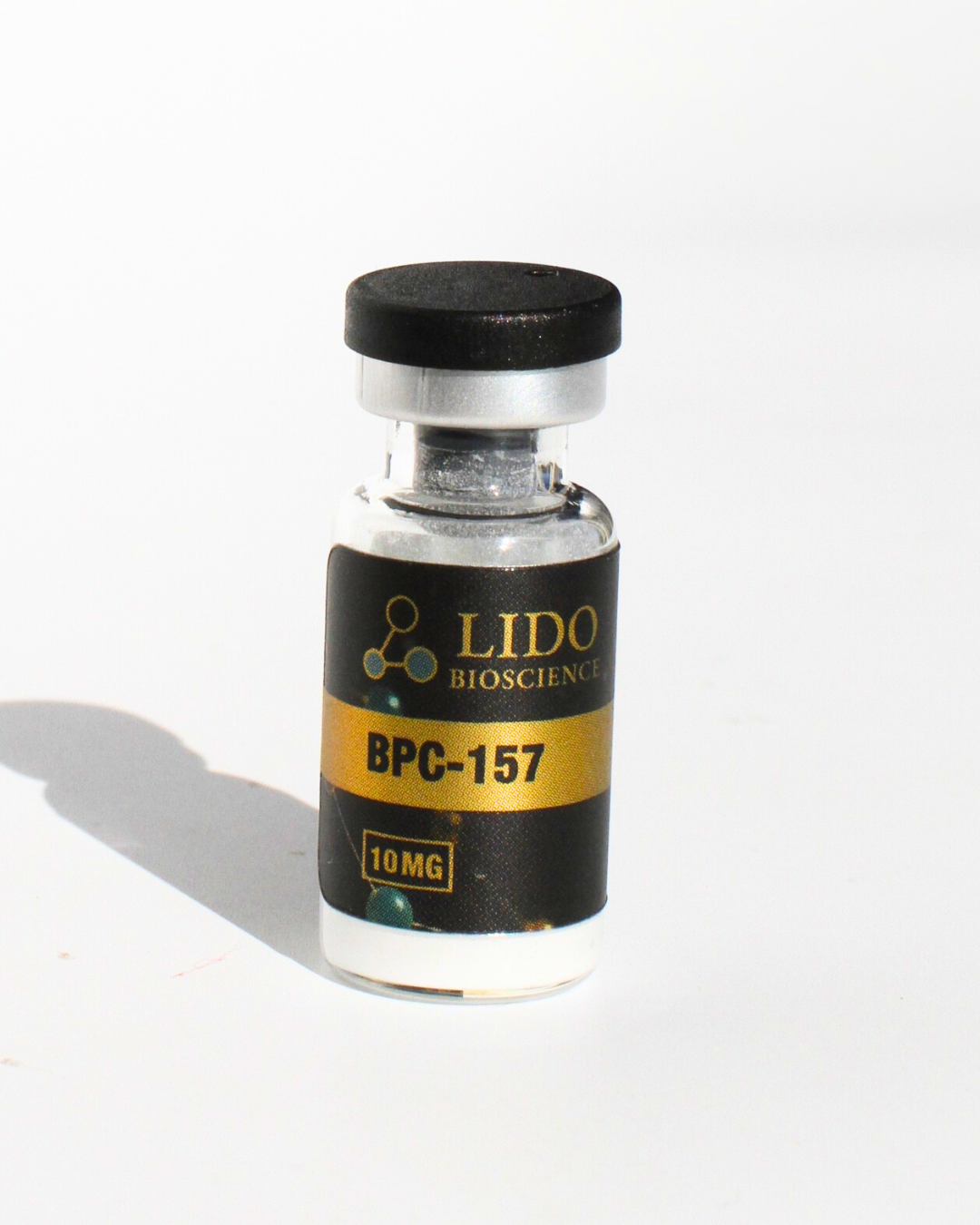
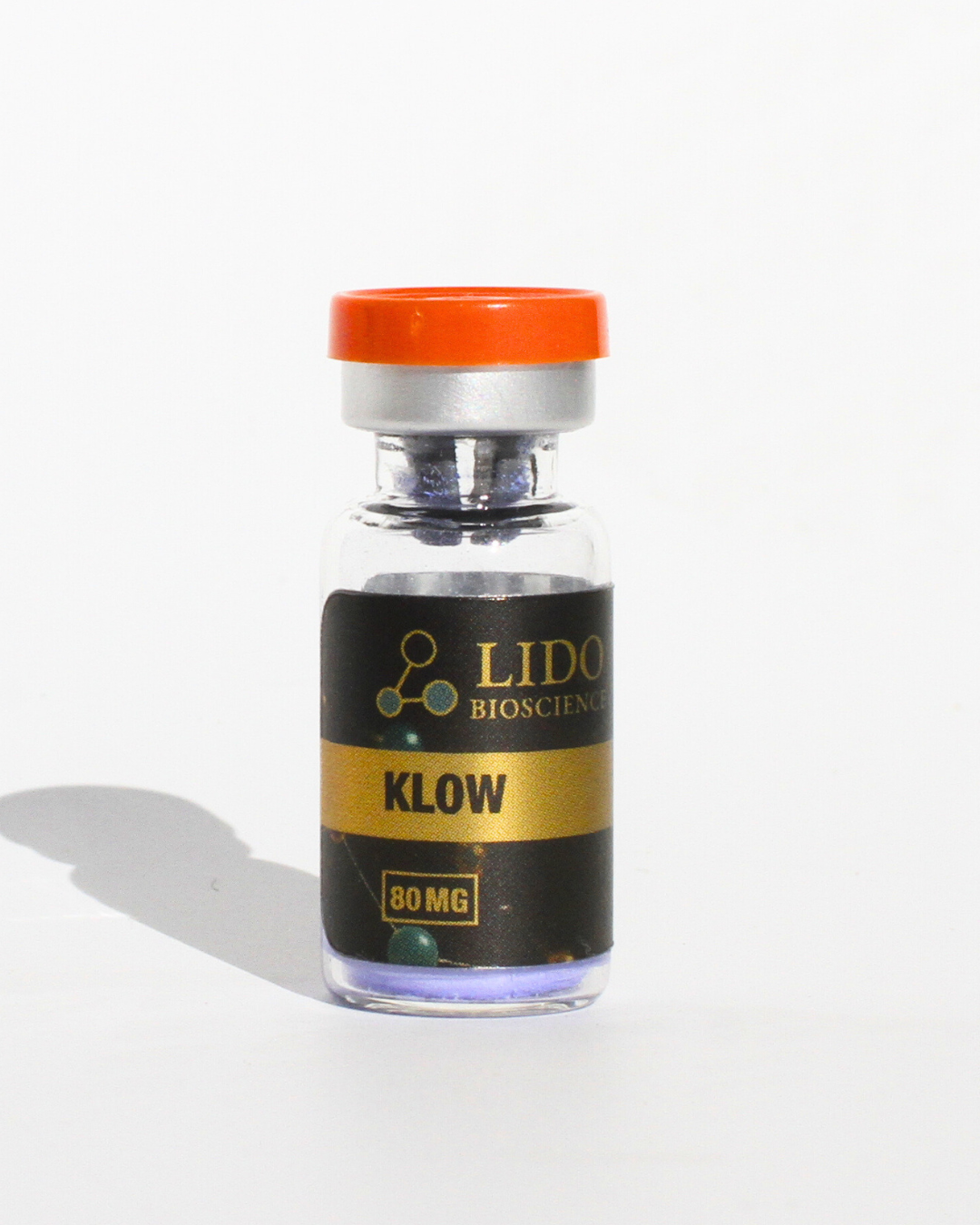
Lido BioScience labels every compound at 99 percent purity exactly, not "minimum 98 percent" or "greater than or equal to 99 percent." The exact number is on the label and on the COA for the same lot.
Appearance and water content
The appearance line is usually a short visual description: "white lyophilized powder," "off-white amorphous solid," etc. Deviations from the expected appearance can indicate moisture exposure, degradation, or contamination during packaging.
Water content is a separate test, often by Karl Fischer titration. Lyophilized peptides should be dry, with water content under a few percent. Higher water content reduces shelf life because peptides hydrolyze faster in the presence of water.
Contaminants testing
A complete COA includes a separate page or section on contaminants. The standard panel covers residual solvents from synthesis, endotoxin levels, and microbial contamination.
Residual solvents come from the synthesis chemistry. Acetonitrile and trifluoroacetic acid are common in peptide synthesis and should be reported below specific limits set by the International Council for Harmonisation.
Endotoxin testing is critical for injectable research applications. The standard assay is the limulus amebocyte lysate, or LAL, test. Endotoxin levels should be reported in endotoxin units, or EU, per milligram of peptide.
Microbial testing covers bacterial and fungal contamination. The report should be "no growth detected" or a colony-forming-unit count well below the limit for the intended application.
Three red flags
First, no COA at all. If a supplier cannot produce a lot-specific COA on request, that is the end of the conversation for any serious research use.
Second, a COA with no lot number, no date, or no signature. A document without those fields is a template that could apply to anything. Ask for the lot-specific version.
Third, suspiciously clean numbers. A real HPLC chromatogram has noise, baseline drift, and small impurity peaks. A purity report of exactly 99.99 percent on every batch with no chromatogram attached should make you ask for the underlying data.
Where Lido COAs live
Every compound on lidobioscience.com has its COA and contaminants testing document linked on the product detail page. Both documents are also available by emailing hello@lidobs.com for any specific batch that is not yet linked on the page.