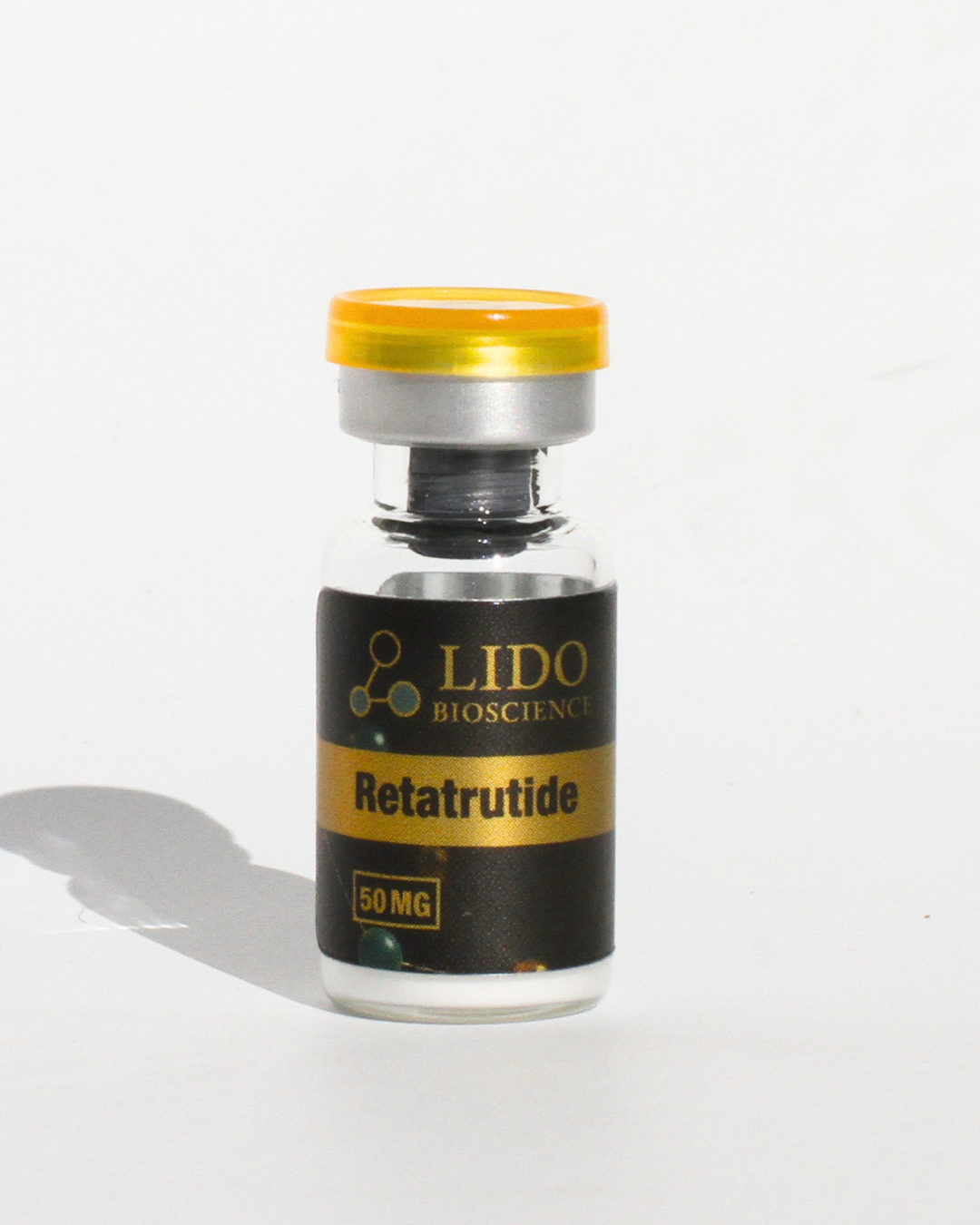
GLP-1 receptor agonists are a class of peptides that researchers and clinicians have studied extensively for their effects on blood sugar and body weight. Their gastrointestinal and metabolic profiles are well mapped in the literature. What is far less studied is what these peptides might do inside the brain, particularly in the region of the pituitary gland, which sits at the base of the skull and coordinates a wide range of hormone signals throughout the body.
A case report published in a peer-reviewed medical journal describes an unusual finding: a middle-aged woman with well-managed Hashimoto's thyroiditis developed significantly elevated prolactin levels while using semaglutide, a GLP-1 receptor agonist peptide. Her prolactin, a hormone best known for its role in milk production but present in all adults, climbed toward 100 nanograms per milliliter. When the peptide was stopped, prolactin returned to normal on its own, with no additional treatment needed.
The authors describe this as one of the first published reports of its kind. Because of that, they frame it carefully, as a hypothesis-generating observation rather than a proven mechanism. Still, the case points at a gap in the current understanding of how GLP-1 receptor signaling interacts with pituitary function, and it raises questions that are worth examining.
What GLP-1 receptor agonists are
GLP-1 stands for glucagon-like peptide-1, a hormone the gut releases naturally after eating. It signals to the pancreas to release insulin, slows gastric emptying, and communicates with appetite-regulating centers in the brain. Synthetic peptides that mimic and extend these signals are called GLP-1 receptor agonists, and they have been studied for decades in the context of type 2 diabetes and metabolic research.
The peptide described in this case report, semaglutide, is one member of this class. Like all GLP-1 receptor agonists, it binds to GLP-1 receptors, which are found not only in the gut and pancreas but also in various regions of the brain, including areas near the hypothalamus and pituitary. That brain distribution is partly why researchers have become interested in how this peptide class might affect neurological and hormonal systems beyond blood sugar and digestion.
The patient and what researchers observed
The patient in this case was a middle-aged woman with Hashimoto's thyroiditis, an autoimmune condition affecting the thyroid, that was described as well-controlled at the time. She was using the GLP-1 peptide as part of her care plan when routine or diagnostic blood work revealed prolactin levels close to 100 ng/mL.
Elevated prolactin, a condition called hyperprolactinemia, can have many causes. The most common ones include a benign pituitary tumor called a prolactinoma, certain medications, thyroid problems, or pregnancy. In this case, an MRI of the pituitary showed no evidence of adenoma or structural abnormality. The thyroid condition was stable. The elevation appeared, based on the timeline, to be connected to the peptide itself.
When the peptide was discontinued, prolactin levels normalized without any additional medication. The resolution was spontaneous. The authors note the patient had no clinical symptoms typically associated with hyperprolactinemia, such as irregular cycles or nipple discharge, even at the elevated level measured.
Two proposed mechanisms
The case report does not establish a mechanism definitively. Instead, it proposes two pathways that future research could investigate.
The first involves prolactin-releasing peptide, known as PrRP. This is a neuropeptide that acts in the hypothalamus and brainstem to stimulate prolactin release from the pituitary. Research on GLP-1 receptors has shown they are expressed in some of the same brain regions where PrRP activity is regulated. The authors suggest that GLP-1 receptor agonism might, in some individuals, amplify PrRP signaling, which would in turn push prolactin higher.
The second proposed pathway involves dopamine. Dopamine is the primary brake on prolactin secretion. When dopamine signaling in the hypothalamus is active, prolactin stays low. If GLP-1 receptor activation somehow reduces dopaminergic tone, even partially or transiently, prolactin could rise. This interaction between GLP-1 signaling and dopamine pathways is an area of active early-stage investigation in neuroscience, and the literature suggests it may be relevant in ways that are not yet fully characterized.
The role of Hashimoto's thyroiditis
The patient's autoimmune thyroid condition adds a layer of complexity to this report. Hypothyroidism, which can occur in Hashimoto's thyroiditis, is itself a recognized cause of elevated prolactin, because low thyroid hormone levels cause the hypothalamus to release more thyrotropin-releasing hormone, which also stimulates prolactin release. However, the authors state the patient's thyroid condition was well-controlled, meaning this pathway alone is unlikely to explain the finding.
What the case does raise is whether an underlying autoimmune or thyroid background might make certain individuals more susceptible to pituitary effects from GLP-1 receptor activity. That is speculative at this point, but it is part of what makes the case worth documenting and studying further.
Why this matters for peptide research
GLP-1 receptor agonist peptides are among the most widely used compounds in metabolic medicine, and their presence in research on obesity, diabetes, and neurology continues to expand. This case report is a reminder that even well-characterized compounds can produce unexpected effects in specific biological contexts, particularly when those effects involve brain-based hormone regulation.
Prolactin is not simply a reproductive hormone. It plays roles in immune function, metabolism, and stress response, according to the broader literature. Transient elevations may be benign, as this case appears to have been, but the fact that levels reached nearly 100 ng/mL without symptoms or structural explanation suggests there is something happening at a receptor or circuit level that deserves systematic study.
The authors recommend that clinicians consider medication-related hyperprolactinemia as part of the differential when elevated prolactin is found during GLP-1 receptor agonist use. For the research community, this case adds to a small but growing body of observation suggesting that GLP-1 peptides interact with central neuroendocrine systems in ways that go beyond appetite and glucose regulation.
Limitations and the need for further study
A single case report cannot establish causation, and the authors are careful to acknowledge this. There is no control group, no dose-response data, and no way to rule out all confounding variables from a single patient account. The finding could represent a rare idiosyncratic response rather than a general property of GLP-1 receptor agonism.
What the report can do, and what it accomplishes, is prompt systematic investigation. Future research could look at prolactin levels prospectively in patients using GLP-1 peptides, examine whether certain populations such as those with autoimmune conditions or subclinical dopaminergic differences are at higher risk, and explore the mechanism in animal or cell-based models. Early data like this is how larger and more rigorous trials eventually get designed.