Most people think of injury as something that happens when tissue is damaged directly. But one of the most studied forms of cellular harm in surgery and vascular medicine works the opposite way: the damage arrives the moment blood flow is restored. Researchers call this ischemia-reperfusion injury, and it is a well-recognized complication in peripheral arterial disease and procedures that temporarily interrupt circulation.
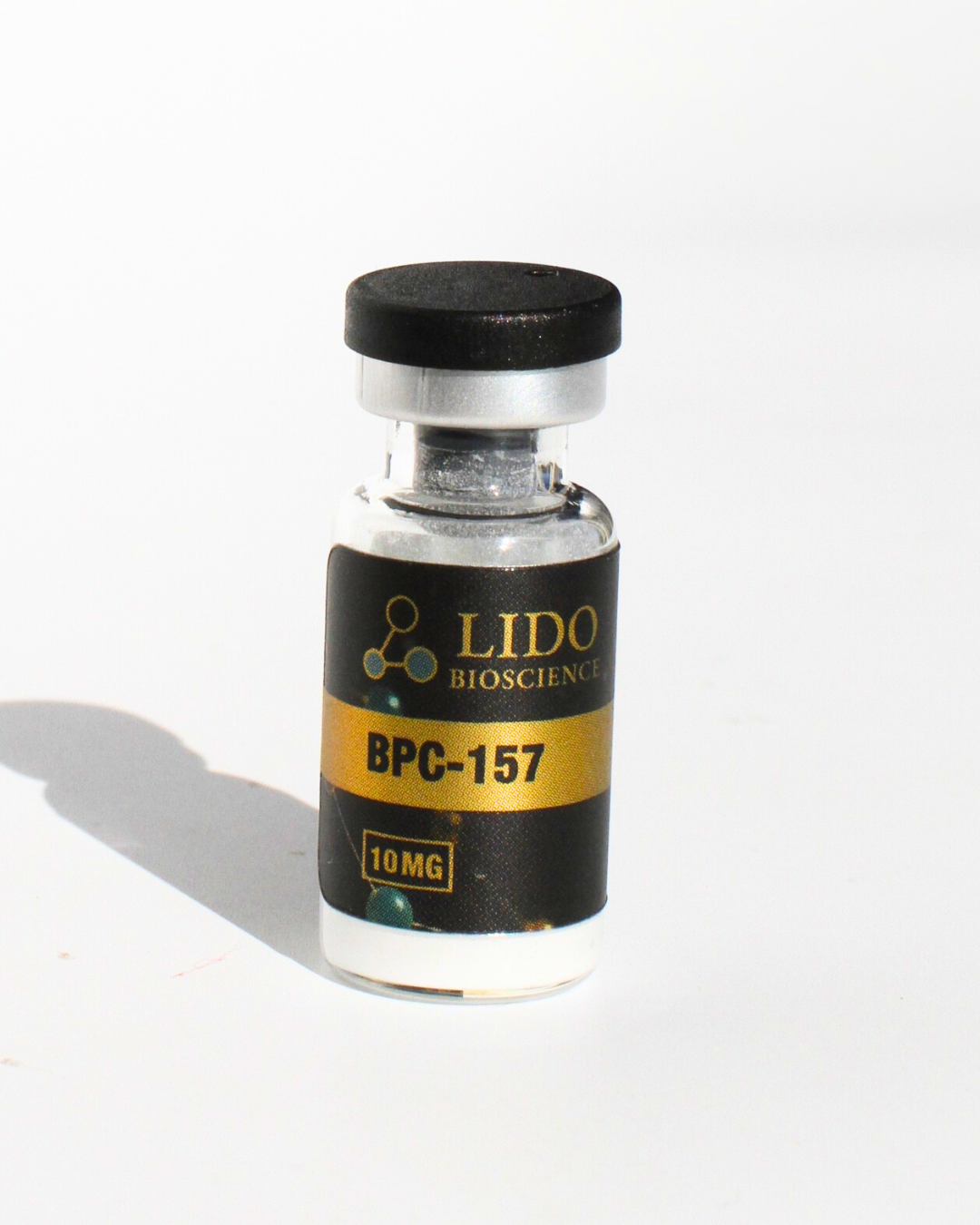
A study published in Scientific Reports set out to test whether BPC-157, a small peptide originally isolated from gastric juice, could reduce the harm caused by this process in the lower limbs of rats. The researchers measured a broad range of biological markers, covering oxidative stress, inflammation, cell death signaling, and tissue structure. Their findings add to a growing body of preclinical literature examining what BPC-157 does at the cellular level when tissues face this particular kind of stress.
The ischemia-reperfusion problem
To understand why this study matters, it helps to understand the paradox at its center. When a tissue is starved of oxygen, cells begin to accumulate unstable molecules and shift their chemistry toward survival mode. That state is damaging on its own, but the real wave of destruction often comes when circulation returns. The sudden rush of oxygenated blood generates a burst of reactive oxygen species, which are chemically aggressive molecules that attack membranes, proteins, and DNA.
At the same time, the immune system responds as if an infection has occurred. Inflammatory signals flood the area, and cells begin activating the machinery for programmed cell death, called apoptosis. In skeletal muscle, this combination of oxidative stress, inflammation, and apoptosis can leave lasting structural damage, including muscle fiber breakdown and excess collagen deposition, which is associated with reduced function.
Study design and what was measured
The researchers used 24 male Wistar rats divided into four groups of six. One group served as a sham control and underwent surgery without any intervention. A second group received BPC-157 alone with no ischemia. A third group experienced ischemia-reperfusion without any treatment. The fourth group experienced ischemia-reperfusion and received BPC-157.
Ischemia was induced by clamping the abdominal aorta for 45 minutes, followed by two hours of reperfusion. BPC-157 was administered at a dose of 20 micrograms per kilogram by intraperitoneal injection at the 45-minute mark of the ischemia period, just before the clamp was released.
The research team measured several categories of outcomes. On the biochemical side, they looked at malondialdehyde, a marker of oxidative damage to fats in cell membranes, as well as superoxide dismutase, an enzyme the body uses to neutralize reactive oxygen species, and two composite scores for total antioxidant and total oxidant status. They also used gene expression analysis to quantify six genes involved in inflammation, oxygen sensing, and apoptosis. Finally, they applied two staining techniques to evaluate tissue structure under a microscope.
What happened in the untreated injury group
The ischemia-reperfusion group without BPC-157 showed the pattern researchers expected from this model. Malondialdehyde levels rose, reflecting increased oxidative damage to cell membranes. Total oxidant status increased. Superoxide dismutase activity and total antioxidant status both fell, meaning the tissue's own defenses were depleted.
Gene expression data pointed in the same direction. Levels of interleukin-6 messenger RNA, an inflammatory signal, increased significantly. Hypoxia-inducible factor 1-alpha, a gene activated when cells sense low oxygen, was also elevated. Among the apoptosis-related genes, p53, Bax, and Caspase-3 all rose, while VEGF, a protein involved in forming new blood vessels, was reduced. Microscopy confirmed widespread muscle fiber disruption and increased collagen deposition in this group.
Changes observed in the BPC-157 treated group
The group that received BPC-157 alongside the ischemia-reperfusion procedure showed measurable differences across nearly every outcome the researchers tracked. Malondialdehyde levels were lower than in the untreated injury group, and total oxidant status was reduced as well. Superoxide dismutase activity and total antioxidant status were both restored toward levels seen in the sham animals.
In the gene expression data, BPC-157 administration was associated with lower levels of interleukin-6 and Caspase-3 messenger RNA. The pro-apoptotic markers p53 and Bax were also reduced. The anti-apoptotic gene Bcl-2, which had not dropped significantly in the injury-only group relative to sham, showed a significant increase in the BPC-157 treated animals compared to the untreated injury group. VEGF expression was partially restored.
Immunohistochemistry, which visualizes protein expression directly in tissue samples, confirmed lower IL-6 and Caspase-3 protein in the treated group. Histological scoring showed improved muscle architecture and less collagen accumulation in rats that received BPC-157 compared to those that did not.
The mechanisms researchers proposed
Based on the pattern of results, the study authors concluded that BPC-157 appeared to work through at least three overlapping pathways in this model. The first is attenuation of oxidative stress, reflected in lower oxidant markers and restored antioxidant enzyme activity. The second is modulation of apoptosis, seen in the shift in the balance between pro-death and pro-survival gene expression. The third is reduction of inflammatory signaling, measured through interleukin-6 at both the gene and protein level.
The partial restoration of VEGF expression is also worth noting separately. VEGF plays a central role in angiogenesis, the process by which new capillaries form. When VEGF is suppressed after ischemia-reperfusion, tissue recovery can be impaired. The early data from this model suggests BPC-157 may support the angiogenic response, though the researchers noted this finding requires further study before its significance can be fully interpreted.
Limitations and what comes next
The researchers were direct about the constraints of their work. The study used only six animals per group, which is standard for early preclinical rodent work but limits statistical confidence. The model used a single dose of BPC-157, so nothing is yet known about whether lower or higher doses would produce different results. The observation window of two hours of reperfusion captures early injury responses but does not reflect what happens over days or weeks of recovery.
Like all animal studies, the findings cannot be directly applied to human physiology. The authors explicitly called for larger cohort studies and dose-response experiments before any clinical conclusions can be drawn. This published abstract is one piece in a broader research effort aimed at understanding how BPC-157 interacts with vascular and muscular tissue under stress. It does not, on its own, establish whether or how these findings would translate to any clinical application.